
TANZANIA
Uncover the Soul Of Africa
Great plains, great migration, Kilimanjaro and the islands of the Indian Ocean.
Tanzania is built for big journeys. The country brings together some of Africa’s most famous wildlife landscapes, its highest mountain and an Indian Ocean coast rich in Swahili history. In the north, the Serengeti, Ngorongoro, Tarangire and Kilimanjaro form a world-class circuit. Farther south and west, larger, quieter reserves reward travellers who want a more remote safari. Offshore, Zanzibar adds beaches, reefs, spice farms and the narrow streets of Stone Town.
What makes Tanzania especially strong is scale. A single trip can follow huge herds across open plains, descend into a volcanic caldera, climb above the clouds and finish beside warm turquoise water. It works for first-time safari travellers, honeymooners, photographers, hikers and repeat visitors who want to go beyond the busiest routes.

The Great Migration in the Serengeti
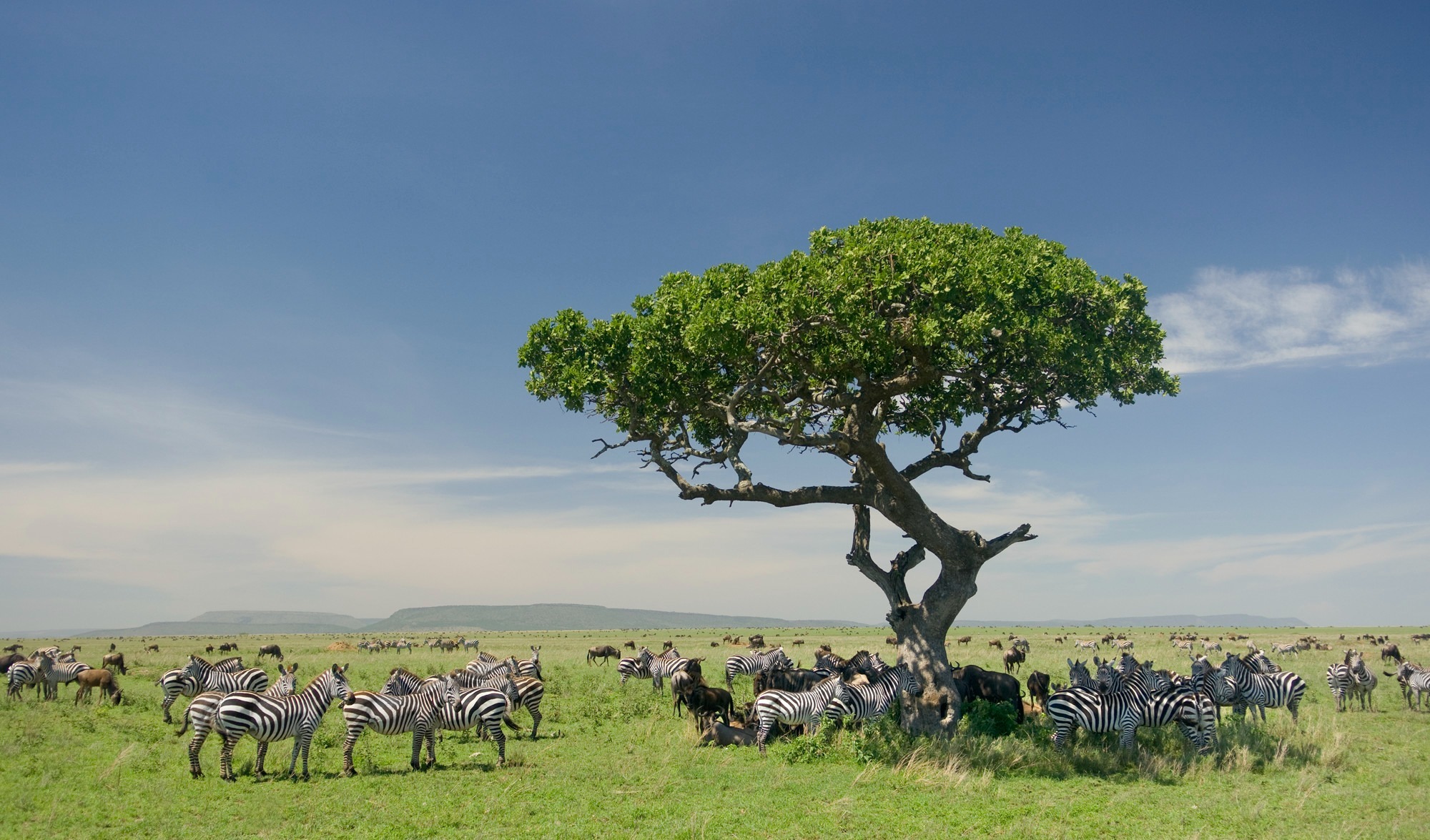
The Serengeti is Tanzania’s most famous wildlife landscape and the setting for the year-round movement of large wildebeest and zebra herds through the greater Serengeti ecosystem. Where the herds gather depends on rainfall and grazing. The southern plains are associated with calving early in the year, while the northern Serengeti is known for dramatic river crossings later in the dry season. Resident lions, leopards, cheetahs, elephants and other wildlife make the park rewarding even when the main herds are elsewhere.
Descend into Ngorongoro Crater
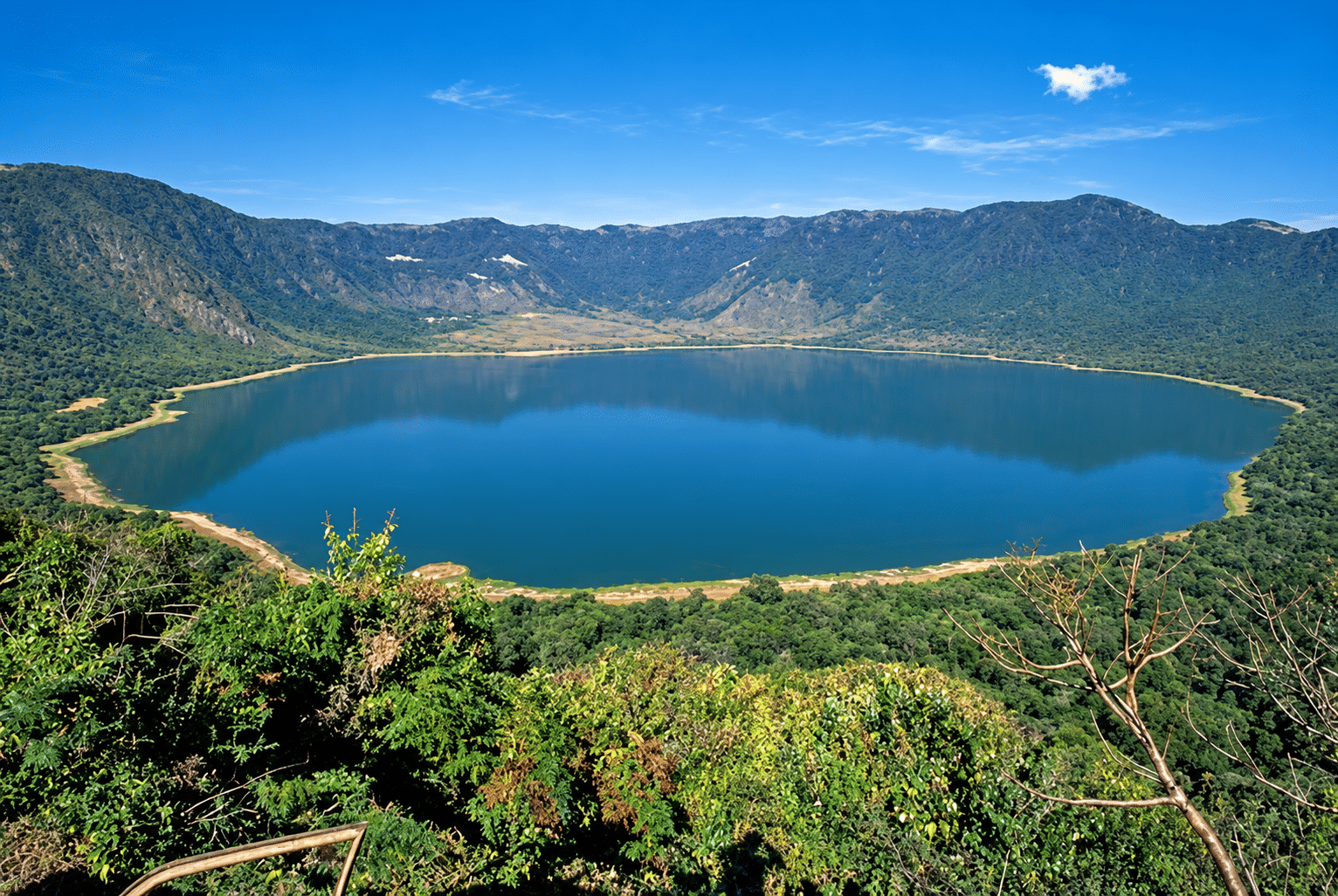
The Ngorongoro Crater is the world’s largest intact, unfilled volcanic caldera and one of Tanzania’s most concentrated wildlife-viewing areas. The crater floor supports a wide mix of grazers and predators, while the surrounding conservation area also includes highlands, archaeological sites and Maasai communities. It is a natural partner to the Serengeti on northern-circuit itineraries.

Climb Mount Kilimanjaro
At 5,895 metres, Kilimanjaro is Africa’s highest peak and the world’s tallest free-standing mountain. Several routes lead through distinct ecological zones toward Kibo and Uhuru Peak. Most climbs take roughly five to eight days depending on route and acclimatisation plan. Even without a summit attempt, the Kilimanjaro region offers day hikes, foothill scenery and a strong sense of the mountain’s scale.
Unwind in Zanzibar
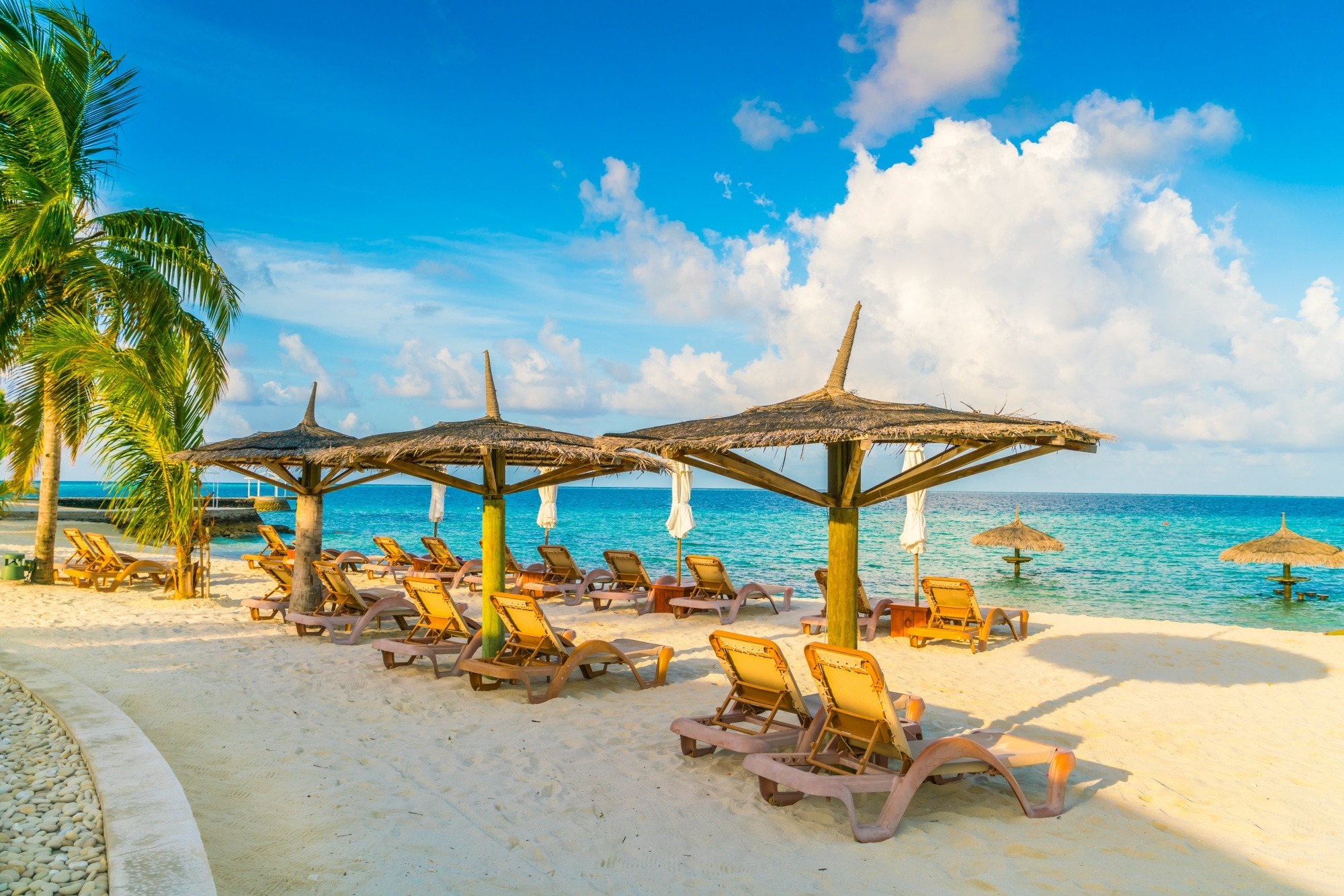
Zanzibar combines beach time with history and culture. Stone Town’s lanes, carved doors and historic buildings reflect centuries of Indian Ocean trade and cultural exchange. Outside the old town, travellers can visit spice farms, explore Jozani Forest, snorkel or dive around reefs, and stay along long stretches of beach. Zanzibar works equally well as a stand-alone holiday or a relaxed finish to a mainland safari.
Best Times to Visit
Tanzania can be visited throughout the year, but dry seasons and key migration months offer optimal conditions for safari and beach travel.
-
June – October: Main dry season with generally clear conditions and easier wildlife viewing, ideal for most parks, Tarangire, northern Serengeti, hiking, and Zanzibar.
-
January – March: Warm green season during the calving period on the southern Serengeti and Ndutu plains, ideal for migration calving, predator action, photography, and northern circuit safaris.
-
November – December: Short rains in many northern and eastern areas, ideal for greener scenery, birding, fewer crowds, and good resident wildlife.
-
March – May: Long rains period with April often being among the wettest months, ideal for value-focused travel in suitable areas, though some remote properties may close.
When is the great migration in Tanzania?
The migration is a year-round cycle, not a single event. The herds move through different parts of the Serengeti ecosystem according to seasonal rainfall and grazing.
Calving is commonly associated with the southern plains early in the year, while northern river crossings are more common during the dry-season months.
What is the difference between the northern and southern circuits?
The northern circuit has Tanzania’s most famous attractions and generally easier tourism logistics. Southern parks are larger, quieter and often feel more remote, making them appealing to repeat visitors and travellers seeking fewer vehicles.
How difficult is the Kilimanjaro climb?
It is a serious high-altitude trek even though most standard routes do not require technical climbing. Fitness matters, but acclimatisation and a sensible route length are just as important. Climbs should be organised with licensed, experienced mountain operators.
Is Tanzania good outside peak season?
Yes. The green season brings lush landscapes, migratory birds and fewer vehicles. Some remote lodges may close during the heaviest rains, so the best plan depends on the parks you want to visit.
Featured Safaris
5-Day Tanzania Northern Circuit Safari
Experience Tanzania’s Northern Circuit in 5 days. Explore Tarangire’s elephants, Lake Manyara, the Serengeti and Ngorongoro Crater on a private safari.
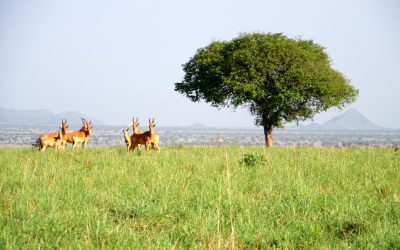
7-Day Southern Tanzania Safari: Ruaha & Mikumi
Escape the crowds on a 7-day Southern Tanzania safari. Explore Mikumi’s wildlife-rich plains, Ruaha’s elephant country and spectacular baobab landscapes.
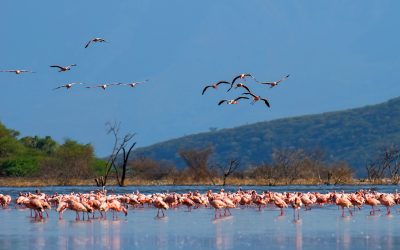
Grand Tanzania Northern Circuit Safari
Take 9 days to explore Tanzania’s Northern Circuit. Enjoy extended game drives in Tarangire and Serengeti, plus Lake Manyara and the spectacular Ngorongoro Crater.