CONGO (DRC)
Journey into the Heart of Africa.
Vast rainforest, rare primates, powerful rivers and one of Africa’s great cultural capitals.
The Democratic Republic of the Congo is one of Africa’s largest and most ecologically important countries—a place of immense rainforest, powerful rivers, volcanic highlands, rare primates and strong urban culture. It contains five natural UNESCO World Heritage properties, and its forests protect species found nowhere else, including bonobos and the eastern lowland gorilla. Kinshasa brings music, art and the scale of the Congo River, while Kongo Central adds waterfalls, Atlantic coastline and historic landscapes.
DRC travel, however, requires more planning than a typical East African safari. Conditions vary sharply by province, and some of the country’s best-known eastern tourism areas are currently affected by conflict, transport disruption or park closures. A responsible itinerary should therefore be built around what is genuinely accessible at the time of travel, with up-to-date security advice and a reliable local operator rather than a fixed wish list.

Meet bonobos near Kinshasa
Lola ya Bonobo, outside Kinshasa, is the world’s only sanctuary dedicated exclusively to bonobos. Visitors can observe rescued bonobos in a forested, semi-wild setting while learning about conservation and the threats facing the species. It is one of the most practical wildlife experiences to add to a stay in the capital and can be arranged as a day visit or, in limited cases, an overnight stay.
Music, Art & Culture
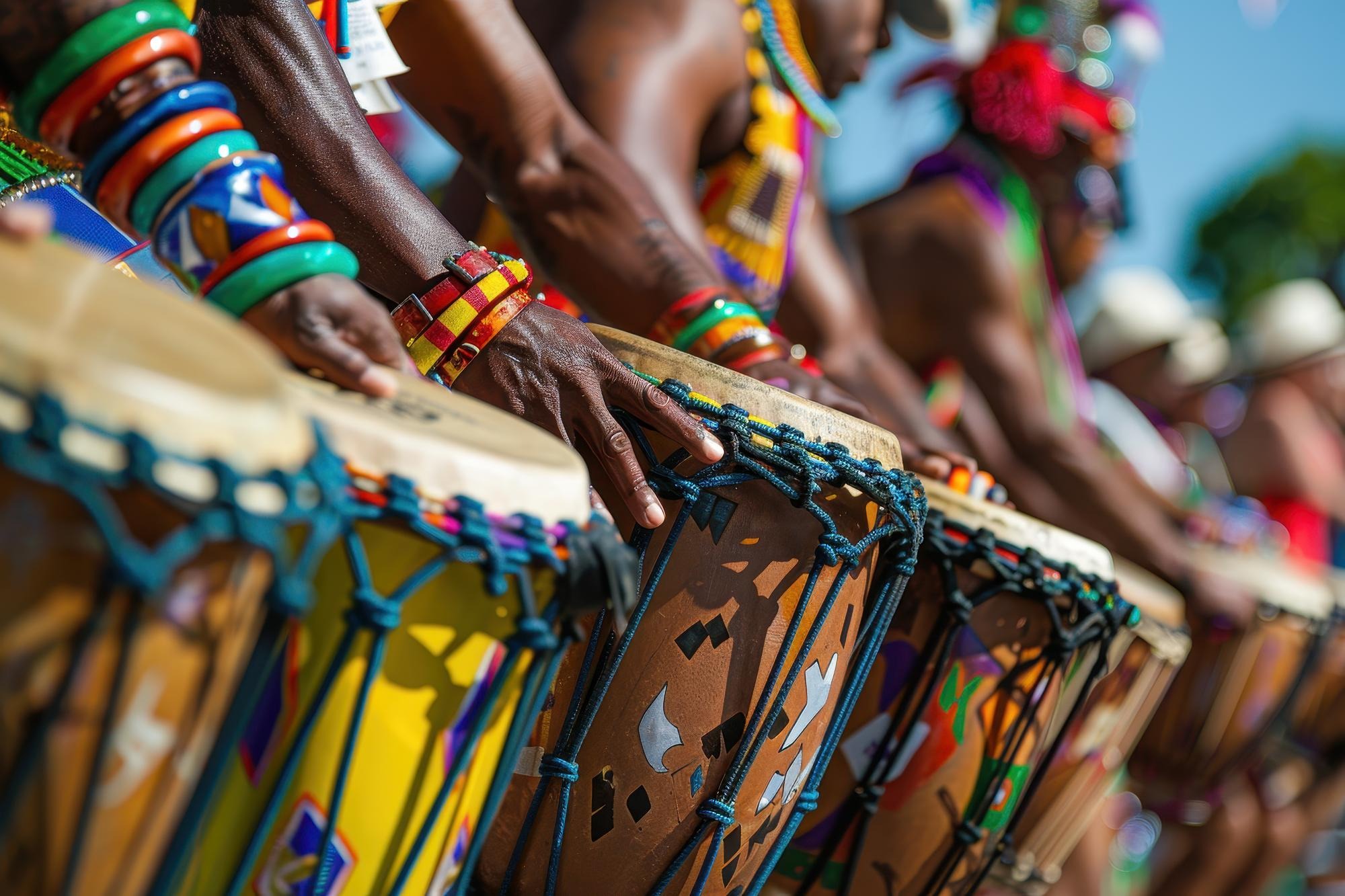
Kinshasa is one of Africa’s great cultural cities and the natural gateway for many DRC journeys. Congolese rumba, live music, contemporary art, busy neighborhoods and the broad Congo River give the city a strong identity. A well-planned visit can combine galleries or cultural institutions, local dining and river views with a bonobo sanctuary visit outside the centre.


Kongo Central and Zongo Falls
West of Kinshasa, Kongo Central offers a more nature-focused extension with the Congo River, historic towns, waterfalls and the country’s short Atlantic coastline. Zongo Falls is one of the region’s best-known natural attractions, while Matadi and the lower Congo landscape add dramatic river scenery. Conditions and road arrangements should be checked before departure.

The Kahuzi-Biega Discovery
Kahuzi-Biega National Park protects a vast area of lowland and montane rainforest and one of the most important remaining populations of eastern lowland, or Grauer’s, gorillas. It is a UNESCO World Heritage Site and ecologically exceptional. It lies in South Kivu, an area currently covered by strong travel warnings, so any future tourism plans must depend on verified local access and security conditions.
Best Times to Visit
For DRC, current access and security matter more than season alone. Always confirm official travel guidance and the operating status of parks and routes before finalising travel.
-
June – September: Generally drier in Kinshasa and parts of western DRC, ideal for Kinshasa, Kongo Central, and outdoor sightseeing where conditions allow.
-
May – October: Often the more favourable window in parts of Kongo Central, ideal for waterfalls, river landscapes, and coastal extensions, subject to road conditions.
-
December – February: Drier period in some southern/eastern areas, but regional patterns vary, ideal for potential travel in accessible regions only, with security and park status taking priority over season.
-
Year-round: A vast country with several climate zones, ideal for urban culture and selected nature experiences where possible, though access and current advisories should be checked first.
What are the main attractions in the Democratic Republic of the Congo?
The DRC is famous for its unmatched natural scale and biodiversity. Key highlights include tracking rare Eastern Lowland gorillas in Kahuzi-Biega National Park, witnessing mountain gorillas and active volcanoes like Mount Nyiragongo in Virunga National Park, exploring the vast Congo Basin rainforests, and navigating the iconic Congo River.
How do I get a tourist visa for the DRC?
Visitors can obtain an entry visa through DRC diplomatic missions abroad or apply for an official Electronic Visa (eVisa) prior to travel. In addition to standard passport requirements and processing fees, you must hold a valid Yellow Fever vaccination certificate and an official invitation letter (often provided by a licensed Congolese tour operator or park authority).
What is the primary language spoken, and do I need French to travel?
French is the official language of the DRC and is used in government, business, and major hotels. While tour guides in popular hubs often speak English, having a basic handle on French—or traveling with an English-speaking local guide—makes navigating logistics and daily interactions vastly smoother.
Featured Safaris
5-Day Lubumbashi & Kundelungu Safari
5-Day Lubumbashi & Kundelungu Safari Discover Katanga culture, waterfalls and highland wilderness. Explore the cultural character of Lubumbashi...
6-Day Kisangani, Congo River & Boyoma Falls Journey
6-Day Kisangani, Congo River & Boyoma Falls Journey Explore the Congo River, Boyoma Falls and Wagenia culture. Discover Kisangani through the...
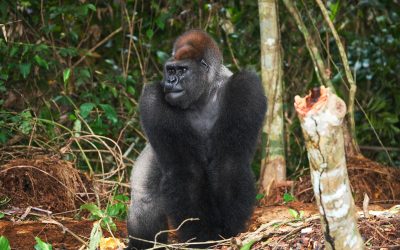
5-Day Kahuzi-Biega Gorilla & Lake Kivu Safari
5-Day Kahuzi-Biega Gorilla & Lake Kivu Safari Eastern lowland gorillas, the rainforest and the Lake Kivu experience. Journey into the highland...