KENYA
Discover the cradle of humankind
Classic safari country, dramatic landscapes and an Indian Ocean finish.
Kenya delivers the safari many travellers first imagine when they think of Africa: open grasslands, big skies, large herds, predators on the move and the possibility of seeing wildlife with Mount Kilimanjaro in the background. But the country is far more than one safari circuit. It stretches from highland forests and the Great Rift Valley to arid northern landscapes and a warm Indian Ocean coast shaped by centuries of Swahili culture.
That variety makes Kenya easy to build around different travel styles. First-time visitors can combine a classic wildlife safari with the coast, photographers can focus on specialised reserves and conservancies, families can use well-serviced parks, and repeat visitors can explore quieter areas such as Laikipia, Samburu or the Tsavo ecosystem.

Enjoy the great plains of the Maasai Mara
The Maasai Mara is Kenya’s most famous safari landscape, known for open grasslands, large populations of plains game and strong predator viewing. It forms part of the wider Serengeti–Mara ecosystem, and seasonal movements of wildebeest and zebra can bring dramatic river crossings and dense wildlife concentrations. Outside migration periods, the reserve remains rewarding because much of its wildlife is resident.
The Amboseli Marvel
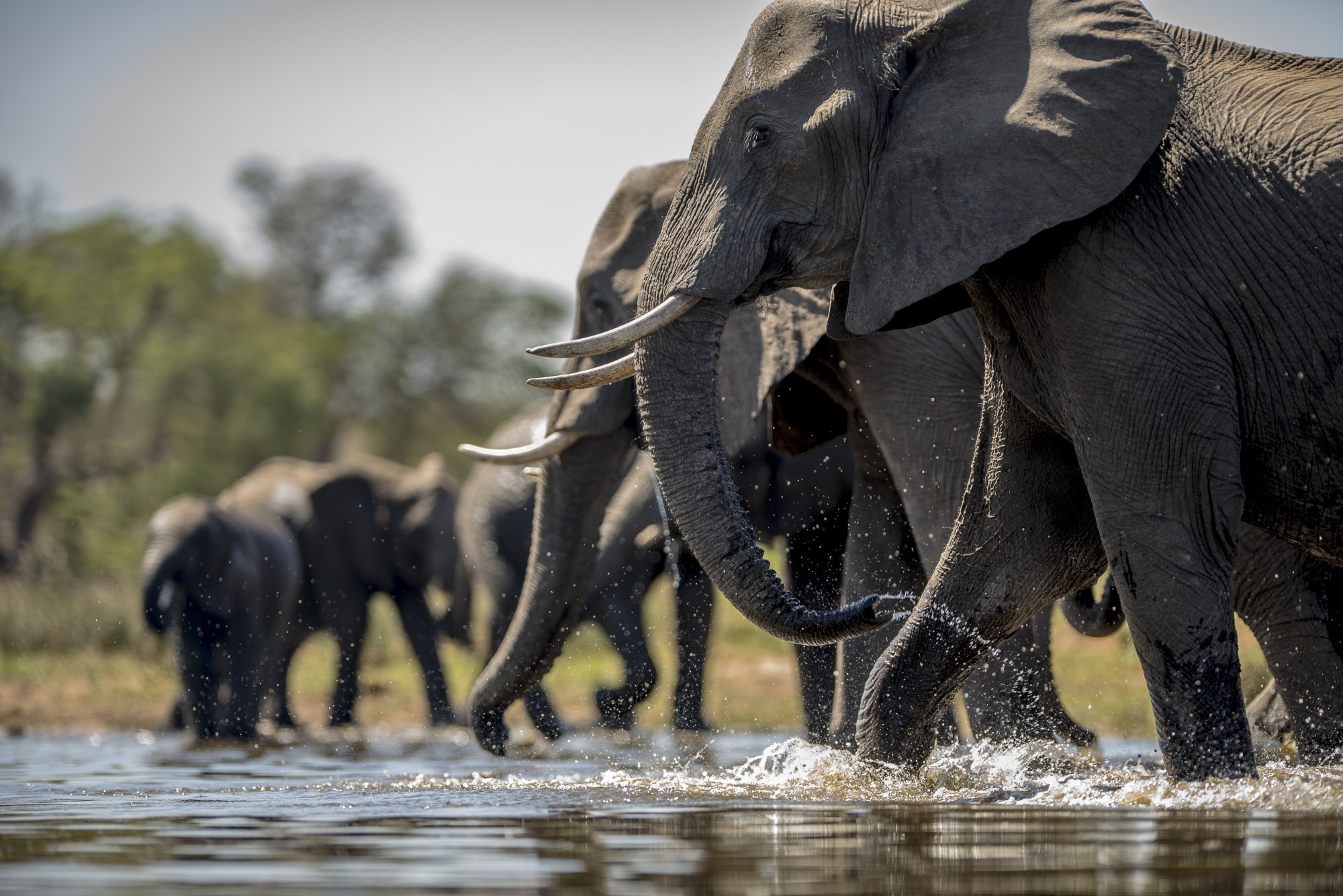
Amboseli National Park is one of Kenya’s best places for close elephant viewing. Its open plains, marshes and seasonal lake basin support a wide range of wildlife and more than 400 recorded bird species, while clear days can reveal Mount Kilimanjaro rising across the border in Tanzania. Observation Hill gives a broad view over the wetlands and surrounding plains.

Rift Valley lakes and highlands
The Great Rift Valley brings a different pace to a Kenyan journey. Lake Nakuru National Park is well known for rhinos, birdlife and a compact game-viewing circuit. Naivasha adds boat trips and nearby hiking, while the central highlands lead toward Mount Kenya, forests and private conservancies where walking, horseback safaris and conservation-focused stays can complement traditional game drives.
Community and Conservation experiences
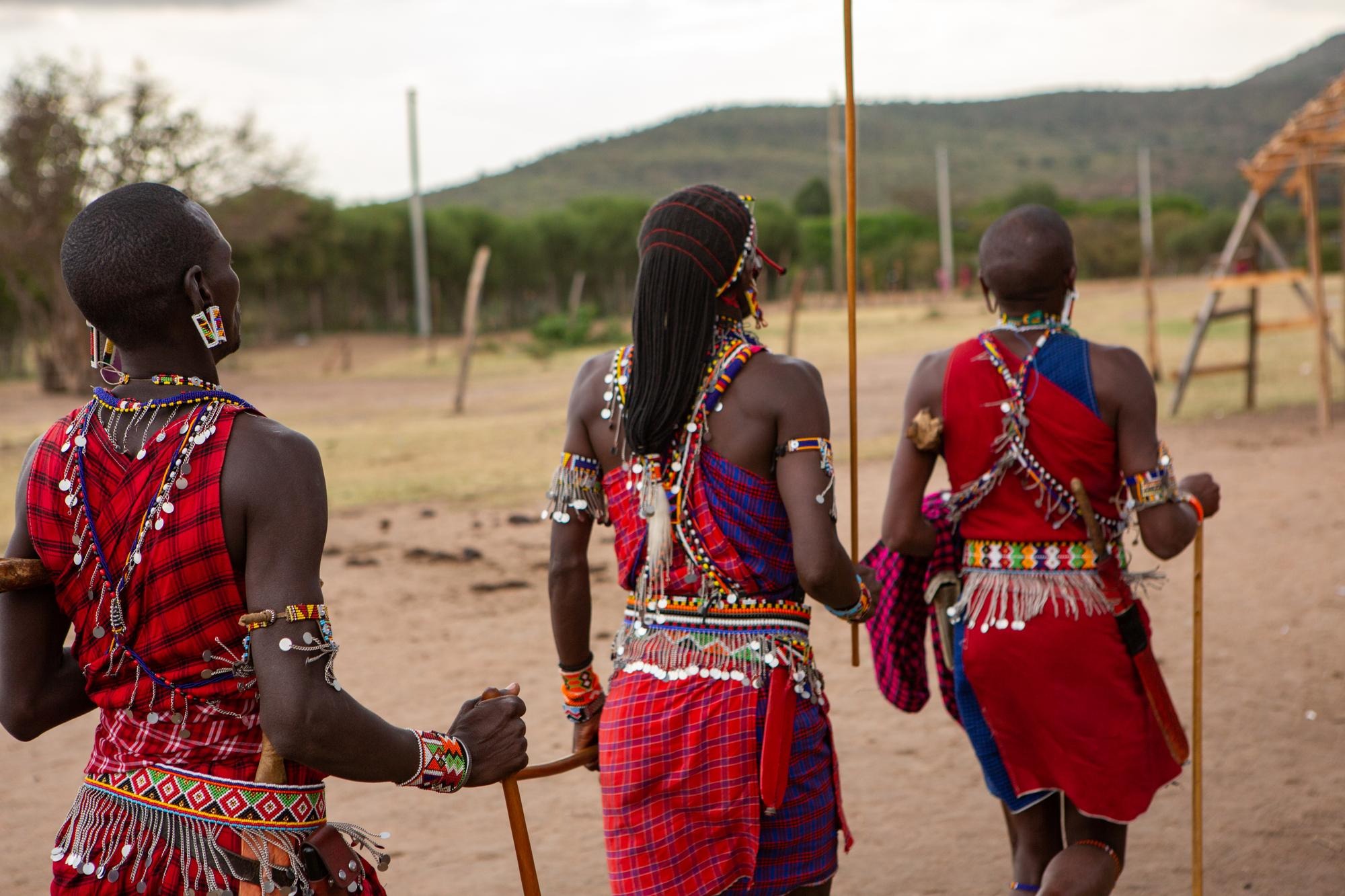
Many Kenyan safari regions are linked to community conservancies and locally managed tourism. Responsible visits can add guided walks, cultural interpretation and conservation stories while spreading tourism beyond the busiest national reserves. The quality and authenticity of these experiences varies, so they are best arranged through reputable operators and community partners.
Best Times to Visit
Kenya can be visited throughout the year, but drier months offer optimal conditions for safaris, coastal visits, and witnessing the migration.
- July – October: Dryer conditions in many safari areas during a popular peak period, ideal for wildlife viewing, Mara migration season, and classic safaris.
- December – March: Warm and generally favourable in many regions, ideal for safari, photography, coast, and family travel.
- April – June: Long rains with some roads that can be muddy, ideal for green landscapes, lower visitor numbers, and value-focused travel.
- Year-round: Conditions vary greatly by region, ideal for Nairobi, many parks, and the coast, which remain possible with itinerary adjustments.
Do I need a visa to enter Kenya?
Kenya replaced traditional visas with an Electronic Travel Authorisation (eTA). All foreign travelers (including children) must apply online at the official government before flying. Standard processing costs $30 and usually takes 3 business days, so submit your details at least two weeks prior to travel.
When is the best time to see the Great Wildebeest Migration?
The massive herds move into Kenya’s Maasai Mara between July and October. Peak river crossings across the Mara River typically happen during these dry-season months, though exact timing varies depending on annual rainfall patterns.
How many days do I need for a complete Kenya trip?
An ideal first trip takes 8 to 12 days. This gives you enough time to combine 2–3 prime safari hubs (like Maasai Mara, Amboseli, or Tsavo) with a relaxing finish on the coast in Diani or Watamu.
What is the best way to get around between parks and coastal beaches?
You can choose between fly-in safaris via domestic bush flights (saving long travel times between remote airstrips) or road safaris using custom 4×4 Land Cruisers. You can also take the modern SGR express train between Nairobi and Mombasa/coast for an affordable overland route.
Featured Safaris
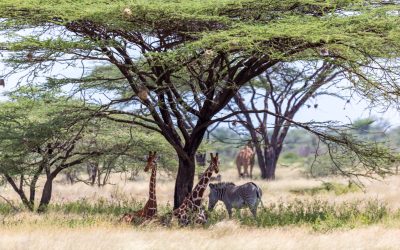
6-Day Samburu & Ol Pejeta Wildlife Safari
Go beyond Kenya’s usual safari circuit in 6 days. Spot Samburu’s rare wildlife, track rhinos at Ol Pejeta and discover northern Kenya’s conservation landscapes.

5-Day Rift Valley Lakes & Maasai Mara Safari
Explore Kenya in 5 days, from Lake Naivasha’s hippos and Lake Nakuru’s rhinos to thrilling big-cat encounters in the Maasai Mara. Plan your safari with Bellmon.
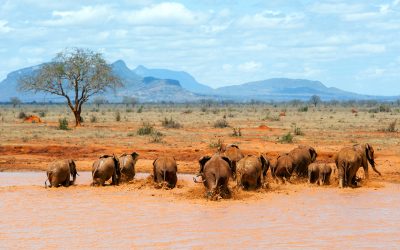
4-Day Tsavo Red Elephants & Mzima Springs Safari
Journey through Tsavo East and West in 4 days. Search for red-dust elephants, discover volcanic landscapes and visit Mzima Springs on a private Kenya safari.